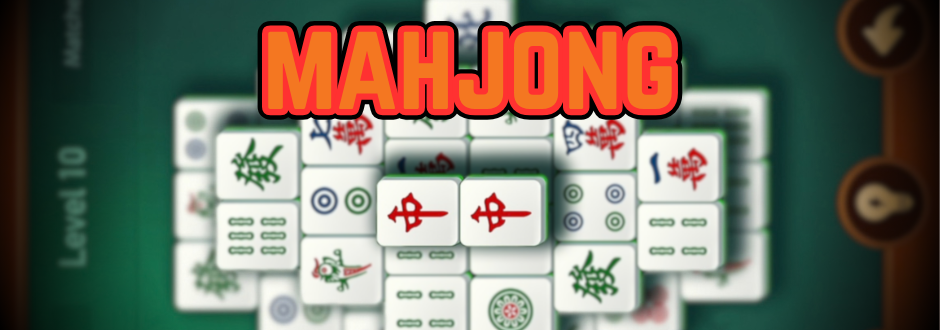
Mahjong is having a serious moment! The centuries-old Chinese tile game is suddenly turning up in bars, libraries and living rooms across Colorado, as a new generation discovers that there is more to the game than colourful tiles and confusing names.
The four-player game has become part of a wider move towards social, offline hobbies, with players looking for ways to spend time together without staring at another screen. And in 2026, that has helped mahjong spread far beyond its traditional circles. Colorado is very much on board!
Back to the table
At a mahjong night in Denver, the sound of tiles being shuffled mixes with drinks, conversations and plenty of confused beginners trying to remember what they are supposed to do next. Groups such as The Mahj Squad and Honour Tile Society are helping introduce new players to the game, organising meetups and beginner sessions in bars, restaurants and other social spaces. Tiffany Leong, founder of Honour Tile Society, got back into mahjong partly because she wanted to reconnect with her grandmother, who had played regularly. What started with a few friends and some YouTube tutorials quickly grew into a much bigger group. Before long, around two dozen people were turning up to play. That growth reflects a much bigger trend. American mahjong has been expanding rapidly in 2026, with recent industry data pointing to thousands of clubs and a sharp increase in searches for mahjong lessons and meetups.
So, if you've been wondering why your social media feed suddenly looks like a mahjong convention, you're not alone!
How does it work?
Mahjong can look intimidating at first. Players sit around a table and build hands using a collection of numbered and symbolic tiles. Depending on the version being played, a set contains around 144 tiles, including suits, winds, flowers, and other special tiles. Players take turns drawing and discarding tiles, attempting to complete a winning hand before everyone else. That basic idea sounds fairly simple. Then the rulebook arrives. There are dozens of recognised versions of mahjong, alongside countless house rules that have developed between families and communities. Hong Kong-style mahjong, Japanese riichi mahjong and American mahjong can all look quite different despite sharing the same basic foundations. American mahjong also has its own distinctive features, including jokers and an annual card of winning hands published by the National Mah Jongg League. The league was founded in 1937 and helped establish the version of the game that became particularly popular in the United States. Basically, learning mahjong is a little like opening a board game box and discovering that the box contains several other board games.
It isn't actually ancient!
One of the biggest misconceptions about mahjong is its age. The game is often described as an ancient Chinese tradition, but historians generally trace its development to China during the 19th century. Its journey to the United States began in earnest during the 1920s. Joseph Park Babcock, an American businessman working in China, learned the game and developed an English-language version that was easier for American players to understand. He then helped market mahjong in the US, including to wealthy customers and Hollywood celebrities. The game's popularity exploded. By 1923, American demand for mahjong sets had become enormous, with exports from China increasing dramatically. It wasn't long before mahjong became a fashionable social activity, particularly among American women.
A game with many stories
Mahjong's history in America is complicated. Different communities adapted the game, creating their own rules, traditions, and ways of playing. Jewish American women played a particularly important role in developing and popularising American mahjong during the 1930s, eventually leading to the creation of the National Mah Jongg League. At the same time, the game remained an important part of Chinese and wider Asian American communities, where families passed down their own versions and traditions. That means there isn't really one single "correct" mahjong experience. There are different versions, different rules and different cultural histories, all connected by the same collection of tiles. And that history has become particularly relevant during the current resurgence.
The TikTok effect
Mahjong's latest boom has plenty in common with the wider return of traditional tabletop hobbies. After years of screens dominating people's free time, there has been growing interest in activities that get people physically together around a table. Mahjong fits that perfectly. It is social, competitive, tactile, and endlessly replayable. It also happens to look fantastic on social media. Bright tile sets, satisfying shuffling sounds, stylish tables and dramatic reveals make it surprisingly well suited to TikTok and Instagram. Recent reporting has linked the game's growing popularity to social media, post-pandemic socialising and the rise of dedicated mahjong clubs. And modern companies have certainly noticed. Newer American mahjong brands have introduced colourful and highly stylised tile sets, helping the game appeal to people who might never have considered picking it up before.
But there is a bigger conversation
The modern mahjong boom has also created debates about cultural appropriation and how the game is marketed. Some players are concerned that businesses can turn a game with deep Chinese cultural roots into a lifestyle product while stripping away much of its history. Others argue that different versions of mahjong have always evolved as they moved between communities and countries. For players such as Leong, the important thing is keeping that history visible. She has continued teaching traditional forms of mahjong alongside the social side of the game, while her free meetups aim to give people a place to learn and play together. That might be one of the most interesting things about mahjong's comeback. The game is changing, but people are also looking backwards to understand where it came from.
Mahjong is back!
From Denver bars to living rooms across America, mahjong is proving that an old game can find a completely new audience. It has survived more than a century of rule changes, cultural adaptations, and shifting trends, and now it is having another big moment. Whether you're interested in American mahjong, Hong Kong-style mahjong, or another variation, there's an enormous amount to learn. And that's probably the game's secret weapon. Once you've learned how to play, there's still the history, strategy, symbolism, and countless different ways of playing to discover. So, if you fancy trying something new, grab three friends, clear the table and start shuffling.
Just don't expect to understand what "pong" means immediately!